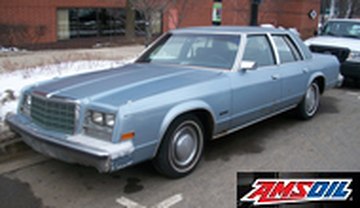
Lubrication Maintenance for the 1981 Chrysler NEWPORT 3.7L
Maintaining the engine lubrication system in a vehicle like the 1981 Chrysler NEWPORT 3.7L requires a consistent approach to monitoring fluid health and mechanical integrity. Because this vehicle represents a specific era of automotive engineering, staying proactive with routine inspections can help ensure that all moving parts remain properly lubricated and protected from unnecessary wear.
Monitoring Fluid Condition and Potential Leaks
One of the most effective ways to monitor the health of the 3.7L engine is through regular visual inspections of the lubrication system. Owners should look for any signs of fluid seepage or active leaks around the engine block and associated sealing surfaces. Even small amounts of oil appearing on the exterior of the engine can be an early indicator that a gasket or seal may be losing its effectiveness due to age or thermal cycling.
When performing these checks, it is useful to look for:
- Evidence of wetness or oily residue on various engine components.
- Puddles or spots on the ground beneath where the vehicle is parked.
- Changes in the color or consistency of the oil when checked via the dipstick.
If you notice a significant change in how much oil the engine seems to use between service intervals, this warrants further investigation. It is important to remember that various factors can influence lubricant consumption, and a sudden change should be addressed promptly to prevent potential issues.
Managing Maintenance Records for Long-Term Care
For owners of a 1981 Chrysler NEWPORT, establishing a clear history of service is one of the most practical steps toward effective long-term ownership. If you have recently acquired this vehicle and do not have access to previous service logs, your first priority should be to establish a maintenance baseline. This involves performing a thorough inspection of all current fluids and components to determine their present condition.
Keeping a detailed log of every oil change, filter replacement, and mechanical repair provides several benefits:
- Identifying Trends: Documentation allows you to see if the engine is consuming more lubricant over time or if certain components require more frequent attention.
- Informed Decision Making: Having a record of what was last serviced helps prevent redundant work and ensures that no critical maintenance tasks are overlooked.
- Value Preservation: A well-documented service history demonstrates that the vehicle has been treated with consistent care, which is vital for long-term preservation.
By treating every inspection as a data point, you can move from reactive repairs to a more organized, preventive approach to engine care.
Observing Potential Warning Signs
While many lubrication issues can be caught during routine visual checks, some may manifest through other observable symptoms. It is important to remain attentive to how the vehicle operates during normal driving conditions. If you notice unusual mechanical noises that seem related to the engine's operation, or if you observe changes in exhaust characteristics, these should not be ignored.
For instance, an unusual odor that may indicate oil is contacting a hot surface can be a sign of a slow leak from a gasket or seal. Similarly, any unexpected warning indicators on the dashboard related to engine operation require immediate attention. Because symptoms can often have multiple underlying causes, these signs should be viewed as prompts for a professional inspection rather than definitive diagnoses of a specific failed part.
Inspecting Aging Components and Systems
As vehicles age, certain materials naturally undergo changes in their physical properties. For the 1981 Chrysler NEWPORT, this means being mindful of components that are subject to heat and chemical exposure. When performing routine maintenance, it is wise to inspect any accessible belts, if equipped, for signs of cracking, glazing, or fraying. Similarly, checking the condition of various hoses, if present, can help prevent unexpected failures.
Electrical connections and wiring should also be examined for signs of brittleness or corrosion, as these can impact the overall reliability of engine-related systems. Rather than replacing parts based solely on the age of the vehicle, a more effective strategy is to use the current physical condition of the component to guide your maintenance priorities. This ensures that resources are directed toward parts that actually show signs of deterioration.
Prioritizing Service Tasks
Effective maintenance is often about knowing what to address first. If you are managing an older engine, it is best to prioritize tasks based on active observations rather than arbitrary schedules. Addressing an active leak or a noticeable change in fluid condition should take precedence over general preventive measures.
If the vehicle's service history is incomplete, start by addressing any immediate concerns discovered during your initial baseline inspection. Once the current state of the engine is stabilized and understood, you can then transition into a regular schedule of monitoring and preventive care. This tiered approach prevents you from spending time on unnecessary replacements while ensuring that critical issues are managed before they escalate.
Practical Advice for BUYING ENGINE OIL for your 1981 Chrysler NEWPORT 3.7L
When it is time to replenish the lubrication in your engine, the most important step is to ensure the product you select matches the specific requirements of your application. For this 1981 Chrysler NEWPORT 3.7L, do not rely on general automotive knowledge or assumptions based on the vehicle's age to determine which oil to use.
Instead, match the engine oil to the application-specific viscosity information already displayed on this page. Before making a purchase, carefully check the product labeling to verify that the oil meets the necessary standards for your engine. Depending on your specific needs and the current condition of your engine, you may encounter various options, including:
- Conventional formulations.
- Synthetic blends.
- Full synthetic oils.
- High-mileage formulations, which some owners choose because they contain additives intended for use in aging engines.
Always prioritize the viscosity and application details provided in the technical specifications above to ensure your 3.7L engine receives the correct lubrication.